Denver Dining Guide: Jamaican Food You Shouldn’t Miss
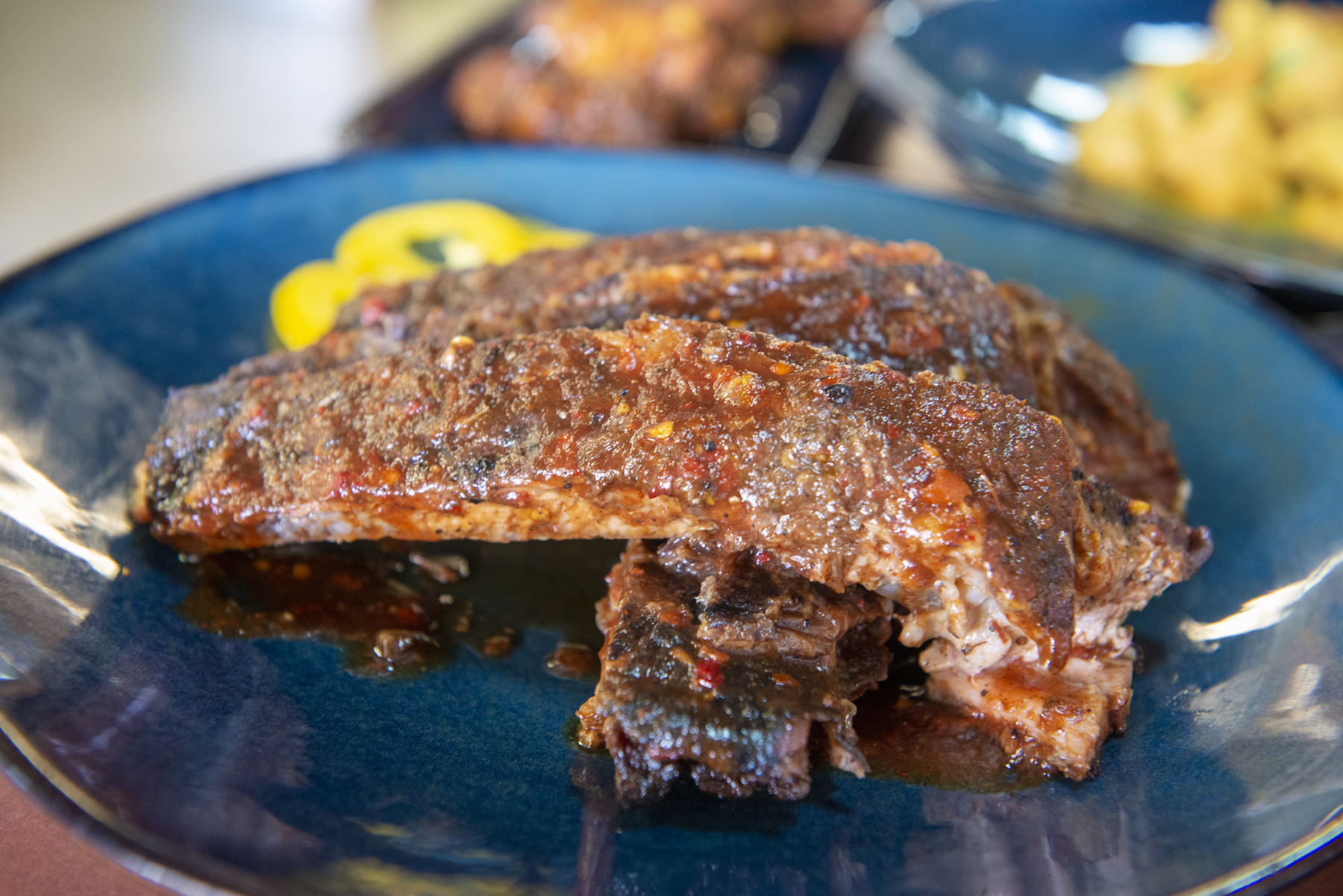
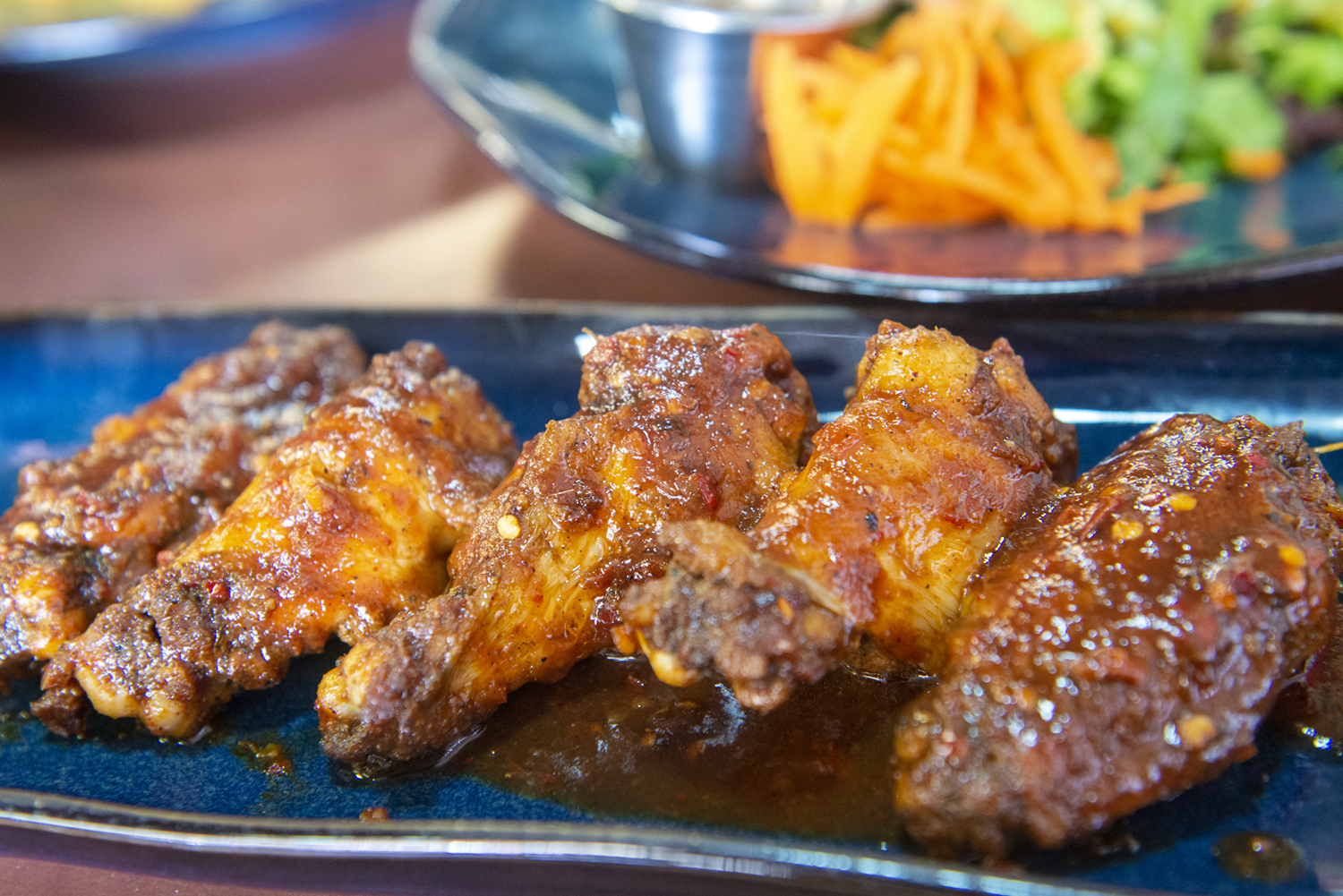
Denver has never been a one-note food city. For years, people talked about steakhouses, green chile, brewpubs, and the occasional white-tablecloth destination. That picture is far too narrow now. The metro area eats with more range than outsiders expect, and some of the most memorable meals happen in small dining rooms, strip-mall kitchens, food trucks, and counter-service spots where the room smells like allspice, Scotch bonnet, thyme, and smoke before you even reach the register.
That is exactly why Jamaican food deserves real attention here. Good Jamaican cooking hits several cravings at once. It can be fiery, slow-cooked, sweet-edged, herbal, deeply savory, and startlingly comforting. It is food with backbone. You taste process in it, not just seasoning. A proper jerk marinade is not one flavor but many layered together. Oxtail should not simply be tender. It should carry richness through the gravy, with enough spice and browning to keep each bite from feeling heavy. Rice and peas should not sit on the plate as filler. Done well, they hold their own, fragrant with coconut and thyme, and quietly tie the meal together.
If you are searching for Jamaican food Denver diners return to again and again, it helps to know what makes these meals work and what to order first. Denver’s Jamaican scene is not the biggest in the country, but the best places cook with conviction, and that matters more than quantity.
What makes Jamaican food so compelling in Denver
Altitude changes cooking more than most people think, especially when moisture, braising time, and heat retention all matter. Denver chefs and cooks who handle Caribbean food well understand that the city’s dry climate can make food stale faster and can expose weak prep. A curry that might coast by elsewhere can taste flat here. A dry piece of jerk chicken has nowhere to hide. The upside is that great Jamaican food feels even more vivid in this environment. Strong spice blends, long marinades, gravies, stews, and fresh-made patties cut through the dryness and leave a real impression.
There is also a cultural fit that makes sense. Denver diners like bold flavors. They like casual places where quality matters more than decor. They are open to heat, but they also appreciate balance. Jamaican cooking rewards that kind of palate. It offers big flavors without collapsing into gimmick. A plate of curry goat, cabbage, plantains, and rice and peas can be generous enough for a cold Front Range evening, while a lunch of jerk chicken with sorrel or ginger beer feels bright and energizing in summer.
Another reason Jamaican food works here is that it straddles familiarity and discovery. Someone who has never had it before can still recognize grilled chicken, braised beef, fried pastry, or spiced rice. Yet the flavor profile is distinct enough to feel like a true change of pace. Denver has plenty of cuisines that challenge and delight. Jamaican food belongs in that conversation.
The dishes worth knowing before you order
The easiest mistake at a Jamaican restaurant is to order too cautiously. If you only choose plain grilled chicken or something that sounds safest, you can miss what the kitchen actually does best. The strongest menus usually shine in the dishes that require time, not just heat.
Here are the plates and staples most worth your attention:
- Jerk chicken, ideally dark meat with a real marinade, visible char, and heat that builds rather than punches once and disappears
- Oxtail, braised until the connective tissue melts into the gravy, often one of the most satisfying things on the menu
- Curry goat or curry chicken, where the spice blend should feel warm, earthy, and deep rather than dusty or one-dimensional
- Beef patties or coco bread, especially for a quick lunch or first taste of the kitchen’s seasoning style
- Rice and peas, fried plantains, steamed cabbage, and festival, which often reveal whether the kitchen pays attention to every part of the plate
Jerk deserves a closer look because it is one of the most misunderstood foods in American dining. People often reduce it to “spicy grilled chicken,” which misses the point. True jerk cooking leans on allspice, thyme, garlic, scallion, ginger, Scotch bonnet, and often a darker note from soy sauce, browning, or pimento wood smoke when available. The result should taste aromatic first, then savory, then hot. If the heat is the only thing you notice, something is off.
Oxtail is another benchmark. In weaker restaurants, it can feel like a luxury item added because people expect it, not because the kitchen respects it. Good oxtail comes with gravy that clings and carries marrow-rich depth. The meat should yield without effort but still have texture. You should want some of that sauce on everything else on the plate.
Patties are useful for a different reason. They are fast, affordable, and revealing. A flaky crust with good seasoning inside tells you the kitchen values fundamentals. A dry or bland patty is often a warning sign.
How to tell if a Jamaican spot is the real deal
You do not need to be an expert to judge a restaurant well, but a little attention goes a long way. Start with aroma. A dining room or pickup counter that smells like active cooking, grilled meat, warm spices, and slow braises is usually a good sign. Then watch what people order. If regulars are coming in for full plates of oxtail, curry goat, or jerk pork when available, that tells you more than any online rating can.
Menus matter too. A shorter menu can be a positive. Jamaican food relies on prep, marination, braising, and repetition. A place trying to do too many unrelated items at once may spread itself thin. It is often better to find a spot with a few specialties they can execute every day. Limited availability can also be a positive signal. If the restaurant sells out of patties or runs low on oxtail late in the evening, that may simply mean demand is real and prep is deliberate.
Texture is one of the clearest clues. Jerk chicken should not be steamed into softness. It needs edges. Curry should not be watery. Rice and peas should not collapse into mush. Plantains should be caramelized, not pale and underdeveloped. Steamed cabbage should still have life in it. Jamaican cooking is rustic in the best sense, but never careless.
One more thing experienced diners learn quickly: ask questions, but do not overcomplicate the order. If the person at the counter says the oxtail is especially good that day, listen. If they warn you that a sauce is genuinely hot, believe them. The best meals often begin with simple trust.
The Denver experience, what to expect from local Jamaican restaurants
Denver’s Jamaican restaurants vary in format. Some are traditional sit-down spaces with broad menus and a family-run feel. Others are takeout-focused, built around lunch rushes, delivery orders, or food truck service. That mix is not a weakness. In fact, Jamaican food travels better than many cuisines if it is packed carefully. Braises and curries often deepen on the ride home. Rice and peas hold up well. Even jerk chicken can stay satisfying if the kitchen is smart about venting steam.
Still, not every dish travels equally. If you are dining at home, fried items like patties can lose some crispness. Plantains may soften further in a closed container. On the other hand, curry goat, oxtail, and stewed dishes can become even more cohesive after twenty minutes. If you are ordering delivery in Denver, especially in winter, it often makes sense to lean toward the https://zanderquzf219.hexaforgey.com/posts/where-to-find-traditional-jamaican-food-in-denver wetter side of the menu.
The city’s geography matters too. Depending on where you live, a great Jamaican meal may require a drive. That is normal. Denver is spread out, and many of its most rewarding food experiences sit outside the neighborhoods first-time visitors gravitate toward. If you are serious about finding the best Jamaican food Denver offers, be flexible about location and timing. Lunch service may be stronger than dinner at some places. Weekend specials can outperform weekday staples. Some restaurants hit their stride after the lunch rush once the kitchen settles.
What to order on your first visit
For a first meal, I would skip the urge to sample everything and choose a focused plate that shows range. A jerk chicken plate with rice and peas, cabbage, and plantains is the safest smart order because it reveals seasoning, grill work, side-dish quality, and portion standards in one go. If you are hungry or dining with someone else, add a patty on the side.
If you already know you like rich braises, go straight to oxtail. It is often pricier than chicken, but this is one of those cases where the upcharge usually reflects real labor and cost. Good oxtail takes time, and you can taste that time in the sauce. If a restaurant handles oxtail well, there is a good chance the rest of the menu has similar care behind it.
Curry goat is the move for diners who want something soulful and substantial without the smoke-forward profile of jerk. It should taste rounded and fragrant, with enough spice to linger but not blur the goat itself. When curry goat is on point, it is one of the most satisfying dishes in the entire Caribbean tradition.
For a lighter entry point, patties are ideal. A beef patty and a drink can make a fine quick lunch, especially if you are exploring multiple spots over a weekend. They also give you a low-risk way to test a kitchen before committing to larger plates.
Heat, sweetness, smoke, and balance
People unfamiliar with Jamaican cooking often fixate on spice level, but the better question is balance. Heat is part of the experience, not the whole story. Scotch bonnet peppers bring fruitiness along with intensity. Allspice adds warmth that can read almost sweet in the right context. Browning sauce contributes bitterness and depth. Coconut milk softens edges in some dishes. Thyme lifts heavy braises. A tart drink beside a rich plate can change the entire meal.
That balance matters in Denver, where diners often chase extremes. There is a temptation to ask for extra heat immediately, but I would recommend tasting first. A good jerk sauce or pepper sauce can transform a plate, but it can also swamp nuance if used too aggressively. When the kitchen has done its job, the base seasoning deserves a moment on its own.
Sweetness plays a bigger role than many expect. Ripe plantains bring a caramel note that helps cool hot spices. Festival, when available, gives you a faintly sweet fried dough counterpoint to savory meats. Even sorrel can taste tart, spiced, and gently sweet all at once. Jamaican meals are often designed around these contrasts, and the best ones feel composed even when the portions are generous.
Drinks and sides that round out the meal
A lot of diners underrate the drinks, which is a mistake. House-made juices, ginger beer, and sorrel can be as telling as the entrées. Fresh ginger drinks should have bite, not just sugar. Sorrel should taste layered and refreshing, with spice rather than syrup leading the way. These beverages are not decorative. They help anchor the meal.
Sides deserve equal respect. Rice and peas is the classic companion because it catches sauces and adds fragrance without competing too hard. Cabbage can look humble, but when it is cooked with enough seasoning and restraint, it gives the plate freshness and texture. Plantains are the bridge between heat and richness. If you see mac and cheese or other nontraditional sides on a fusion-leaning menu, treat them as optional rather than essential. They can be enjoyable, but they will not tell you much about the kitchen’s Jamaican fundamentals.
One pattern I have noticed in Denver is that strong Caribbean kitchens often excel at generous side portions, but not all of them maintain consistency with starches late in the day. Rice can dry out under heat lamps. Plantains can sit too long. If you are eating close to opening or during a busy service window, you usually get sides at their best.
When Jamaican food is especially good in Denver
Season affects appetite, and Denver gives Jamaican food several ideal moments. On a cold evening, few things satisfy like a container of curry goat or oxtail carried home while the air outside cuts through your jacket. The richness lands differently in winter, and the steam that rises when you open the lid feels almost medicinal.
Summer has its own logic. Jerk chicken, patties, and tart drinks make excellent warm-weather food, especially before a concert, after a market run, or during one of those long Denver evenings when you do not want a heavy formal dinner but still want strong flavor. Food truck appearances and outdoor pop-ups can be especially fun in this season because grilled items show well off the smoker or flat top.
For groups, Jamaican food is underrated. Large combo orders, extra sides, and a mix of braised and grilled proteins create the kind of casual shared meal people remember. It works for office lunches, game nights, and family dinners because it is generous without feeling generic.
Common disappointments, and how to avoid them
Not every restaurant labeled Caribbean or Jamaican will deliver the same experience. Some places broaden the menu so much that the Jamaican items feel secondary. Others tone flavors down too far in an attempt to appeal to everyone. The result can be food that looks right on the plate but lacks soul. Dry jerk chicken is the classic letdown. Thin gravy on oxtail is another. Underseasoned cabbage sounds minor, but it often signals a kitchen that is not paying enough attention.
The best way to avoid disappointment is to order strategically and observe the room. If a dish is central to the restaurant’s identity, it will usually be named first, recommended quickly, or visibly popular with regulars. Trust the house specialties. Be a little cautious with edge-case items that feel tacked on. A kitchen may do incredible curry goat and only average fried fish, or superb jerk and forgettable desserts. There is no shame in ordering the thing they clearly care about most.
Timing also matters more than people admit. A restaurant can be excellent and still have an off hour. Midafternoon lull periods can be rough for food that depends on turnover. If possible, go during a real meal window when the kitchen is fully engaged.
A practical way to explore Jamaican food in Denver
If you want to build your own working map of the scene, approach it like a series rather than a single meal. Start with one reliable plate and compare across visits. Jerk chicken is the easiest benchmark. Note the smoke, char, marinade depth, and side quality. On your next stop, order oxtail if available. By the third visit, try a patty and a drink. Patterns emerge quickly.
A useful personal checklist looks something like this:
- Does the jerk taste marinated all the way through, or only seasoned on the surface?
- Is the gravy on braised dishes rich enough to want over rice, not just around the meat?
- Are the sides treated as part of the meal rather than afterthoughts?
- Would you come back for a second order of the same thing, not just to try something new?
That method sounds simple because it is. Most experienced diners are not looking for novelty every time. They are looking for repeat value, consistency, and evidence of care. Jamaican restaurants that earn loyalty usually do so with the same few dishes, cooked well over and over.
Why these meals stay with people
Some cuisines impress in the moment and fade by the next day. Jamaican food, especially when cooked with patience, tends to linger in memory. Part of that is sensory. Smoke clings. Allspice and thyme stay with you. Good gravy leaves a trace on the palate. But there is another reason too. These meals feel built rather than assembled. You can sense marinating time, braising time, and the confidence to let ingredients be intense without becoming chaotic.
That quality stands out in a city like Denver, where diners often juggle convenience, commute times, weather shifts, and crowded restaurant scenes. A strong Jamaican meal cuts through all of that. It is direct, generous, and deeply satisfying. It can be a quick lunch from a counter or a full dinner shared at home, but either way it feels grounded.
If you are still exploring Jamaican food Denver has enough strong options to reward the effort. Look for the places where the aromas hit before the menu does, where the jerk shows char instead of just sauce, where the oxtail gravy earns every grain of rice beneath it, and where the sides are seasoned with the same seriousness as the meat. Those are the meals you remember. Those are the ones worth driving for.
Reggae Pot Jamaican Grill
Address: 2243 S Monaco St Pkwy #104, Denver, CO 80222
Phone number: +17204102956
FAQ About Jamaican Food Denver
What is typical Jamaican food?
Typical Jamaican food features bold, vibrant flavors created by blending African, Taino, European, and Asian influences.
What is a famous Jamaican dish?
Ackee and saltfish is Jamaica's national dish, made by sautéing the soft local ackee fruit with salted cod, onions, tomatoes, and spicy Scotch bonnet peppers.
What food is most popular in Jamaica?
The most popular and famous food in Jamaica is Jerk Chicken, celebrated worldwide for its smoky, spicy flavor.